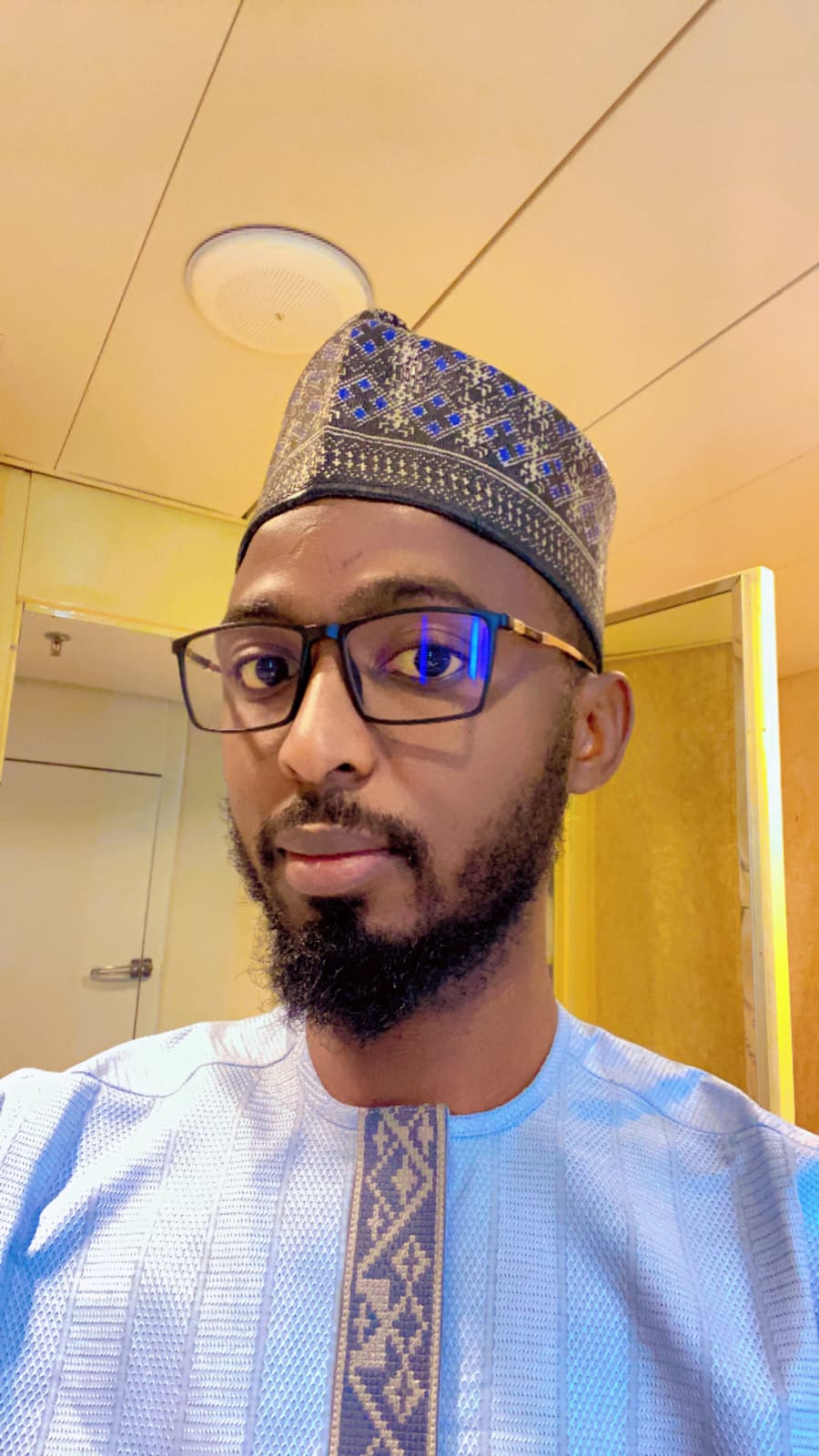
06:45
The day starts before the noise does.
2026 — still writing
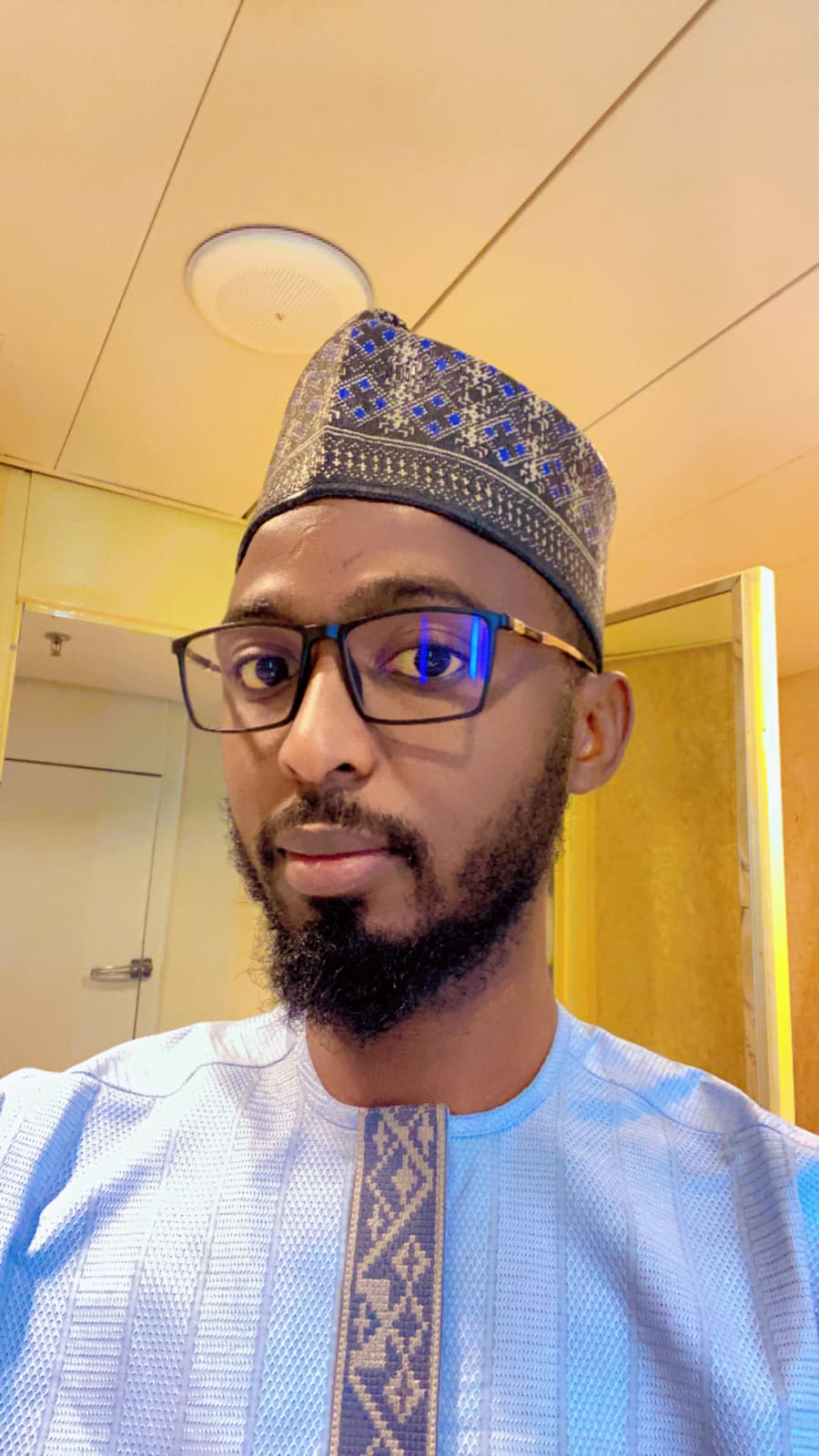
I'm Abdulrazak — I design things, build things, and occasionally fix things I broke myself.
That's most of what I actually do. Work nobody sees, holding up things other people depend on.
Married to my co-founder, and I have no idea what year four of this will look like.
That's the real state of things, not the polished version.
Illustrative, not literal — except the one glowing below, timed to your own clock.
06:45
The day starts before the noise does.
08:30
Ideas become interfaces.

11:20
Something broke.
So I started looking.
15:40
Not every problem needs another product.

18:15
Evenings are for my kids.
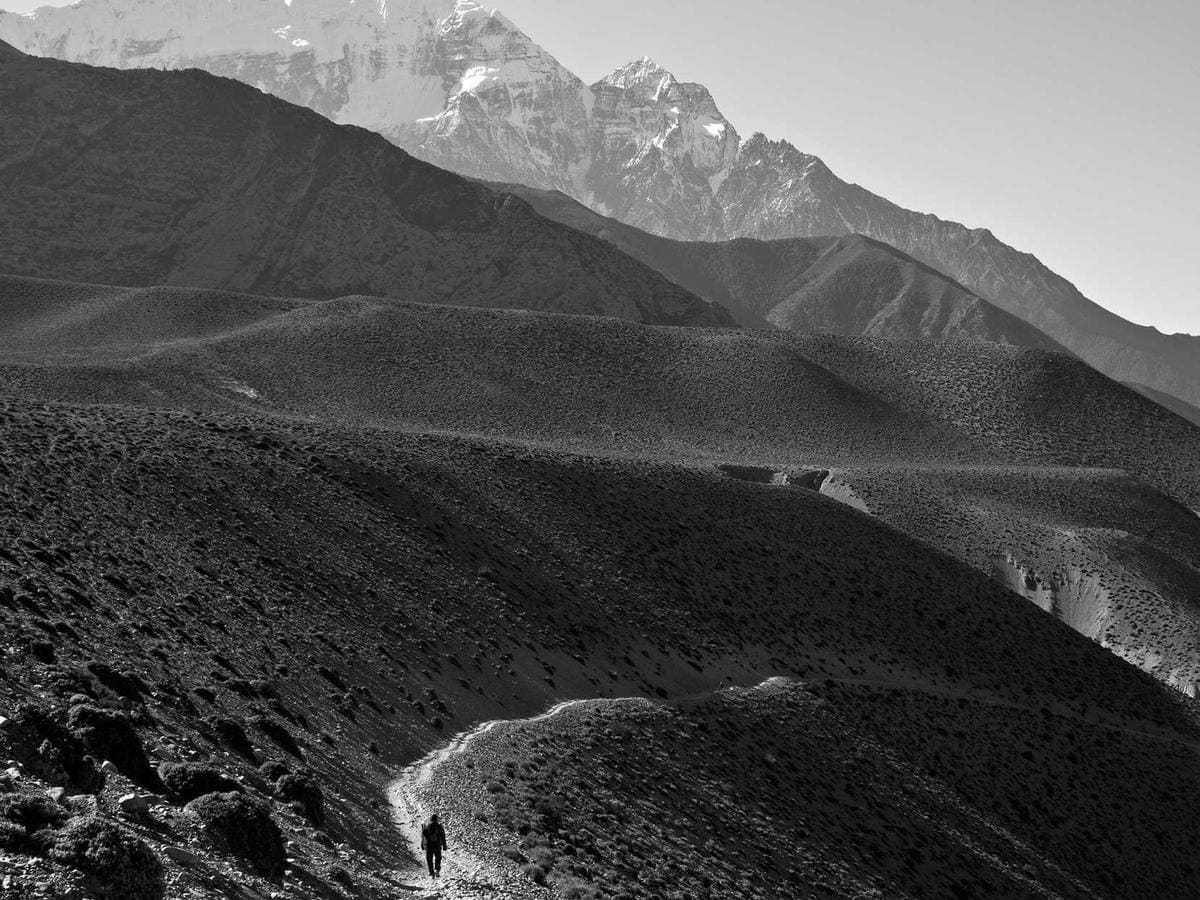
21:10
Tomorrow is another build.

At 18, I was on rooftops putting up satellite dishes and doing electrical work, for one reason: to raise enough money to buy a computer and get into IT. It wasn't curiosity. It was survival — earn, save, buy the computer, then figure out the rest. Everything since started with that one goal.
Graphic design started the same way the rooftop work did: as a way to make a living. While it paid, I was teaching myself website development and software development on the side. That stretch of earning with one hand and learning with the other is where EasyLife came from.
While everything else on this timeline started and sometimes stopped, EasyLife never did. Design, websites, and branding work have been running quietly underneath every other chapter here — the one steady thread connecting a rooftop technician to a software CEO.
I built a smart learning tool meant to teach each student in a way that fit them personally, years before that idea became popular. We were early, maybe too early. Keeping it running cost more than the business could handle, so I had to close it. The idea was right. The timing, and the money, weren't.
Built at the same time as ChatBook, QuickPlan tried to give African businesses real, simple planning tools. It didn't fail because the problem wasn't real. It failed because I hadn't yet learned the difference between building something true and building something that actually reaches the people who need it. That lesson has shaped every product I've made since.
A hands-on kit that let secondary school students do real science experiments at home. This one didn't lose because the idea was wrong. It lost because I ran out of money to grow it properly. Some things need more than a good idea to succeed; they need funding I didn't have yet. I've kept that lesson close ever since.
I co-founded BluePage with my fiancée, now my wife. This is the turning point on this timeline: everything before was me, alone, building and closing things one at a time. Everything after is us, building together.
One week after getting married, I started another company. Not the quiet honeymoon most people picture, but honestly, it's the truest way to describe how my wife and I work. OnTrack pushed us deeper into building software, and it came from slow, steady effort, not a lucky break.
A different kind of building: less storytelling, more foundation. Hosting and internet services that everything else quietly depends on. If design and software are the house, AltaServers is the ground it stands on.
There's no clean ending here on purpose. This part keeps changing as the next thing takes shape, the same way it all started, back on a rooftop in 2013.
Not everything I built survived.
Some ran out of money.
Some ran out of infrastructure.
Some simply ran their course.
But none of them were wasted.
An AI-powered product built to personalize learning for every student — before AI-powered personalization was a mainstream idea. Closed when the infrastructure cost of running it at real scale became more than the project could carry.
What it taught me
Being early to an idea doesn't mean you can afford to build it yet.
An early attempt at building business planning software for African businesses, running alongside ChatBook for part of that stretch. It ran for a few years before winding down.
What it taught me
A real problem and a piece of software aren't the same thing as a business that reaches the people who need it.
A physical kit built to let secondary school students run science experiments at home. It didn't scale past its early stage — the funding wasn't there.
What it taught me
A good idea still needs resources to become scalable.
Where the client-facing, creative-service side of the work lives — design, websites, and branding for people who needed more than a template.
Visit
Co-founded with my now-wife. The point where the work stopped being just design and started being a business built with someone else.
Visit
Started a week after the wedding. Took longer than expected to find its shape — a lot of assumptions had to be rebuilt along the way.
Visit
A move into the infrastructure layer — hosting and internet services instead of the products that sit on top of them.
VisitSee a problem
Imagine a solution
Build
Learn
Try again
Design
Creative business
AI
Education
Business software
SaaS
Infrastructure
What changed?
Almost everything.
What stayed the same?
I kept building.
01 “I believe building teaches you differently.”
02 “Failure is part of the tuition.”
03 “I don't want to look successful. I want to become useful.”
04 “Technology matters when it solves a real problem.”
05 “I am still figuring things out.”
06 “Momentum beats certainty most days.”
An idea can arrive before the infrastructure exists to support it.
Building is not the same as scaling.
A good product still needs distribution.
Resources matter.
Timing matters.
Persistence matters.
we should probably talk.
Have a project?
Let's work together.
Want to collaborate?
Let's talk.
Just say hello?
Say hello.
I don't know yet.
That's part of the point.
There isn't a five-year plan here — just the next thing worth building, figured out roughly one season at a time.
Still building.
If you've made it this far,
we should probably talk.